
Learning multiplex development, starting with your own home
Some owners start by living in one unit and renting out the rest. Others want the full discipline first. These guides cover both routes.
Start here
Capital
House Hacking in Canada: How Owner-Occupied Financing Actually Works
Most house hacking guides assume a US loan product that doesn't exist in Canada. Here's how CMHC-insured owner-occupied financing, rental income offset, and Toronto's multiplex zoning reform actually work for a duplex, triplex, or fourplex.
August 7, 2026
Land
How to Choose a Multiplex Development Course in Toronto
Choosing a multiplex development course is a purchase decision with a real cost of getting it wrong. Here's how to vet a provider on Toronto-specific curriculum, instructor track record, and format before you pay.
July 26, 2026
Capital
House Hacking in Toronto: Live in a Multiplex, Rent Out the Rest
A plain-language guide to buying a legal Toronto duplex, triplex, or fourplex, living in one unit, and renting the rest to cover the mortgage. Covers the CMHC financing rules, a worked cash-flow example, and the tax exposure that decides whether it pencils out.
July 17, 2026
Capital
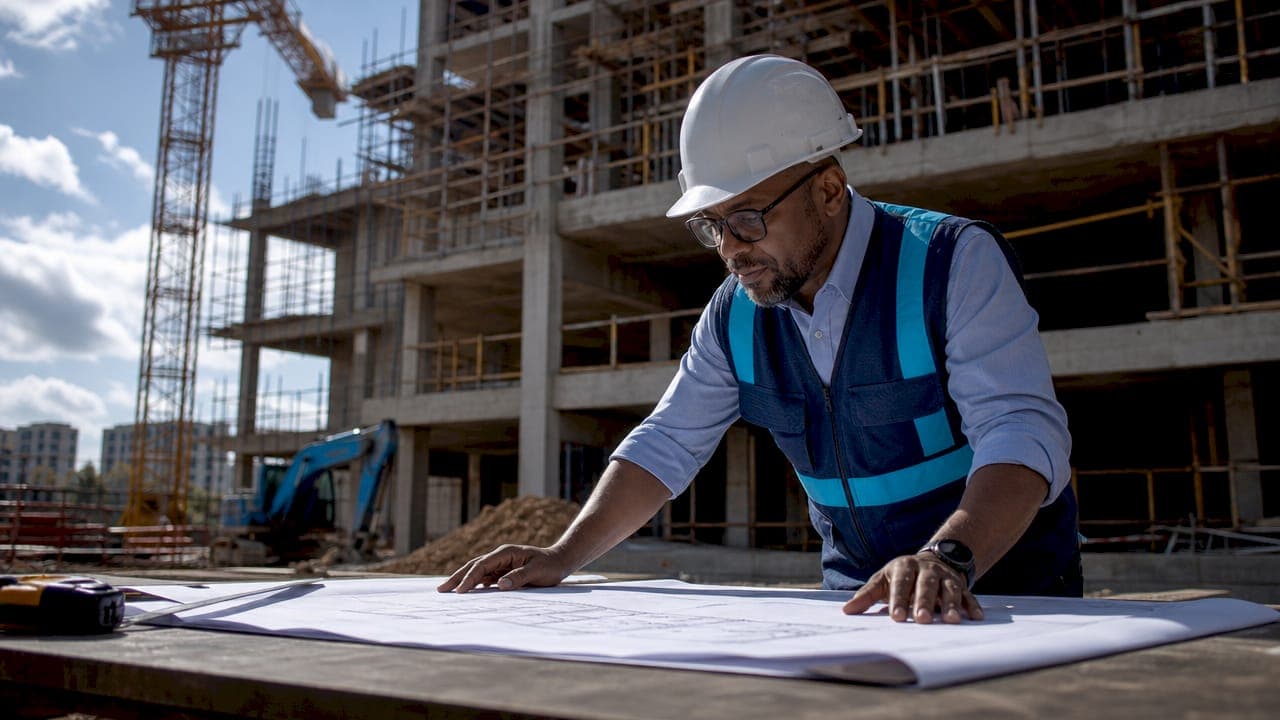
How to build an investment property from scratch in the GTA
What it takes to build a rental from raw land in the GTA, and how the financing actually works in Canada.
July 2, 2026
Common questions
How many units can I build as-of-right on a residential lot in Toronto?
Up to four units, a duplex, triplex, or fourplex, as-of-right citywide in R, RD, RS, RT and RM residential zones since May 2023. In nine wards, the eight Toronto and East York Community Council wards plus Ward 23, up to six units have been as-of-right since council's June 25, 2025 vote. Other wards can opt in but currently cap out at four.
Can you get a mortgage with 5% down on a triplex or fourplex in Canada?
Only on a 2-unit property. CMHC's Purchase insurance allows 5% down, tiered, on owner-occupied 1-2 unit properties, but 3-4 unit owner-occupied properties require a minimum 10% down payment and a maximum 90% loan-to-value, not 5%.
From: House Hacking in Canada: How Owner-Occupied Financing Actually Works
How many units can I legally build on a residential lot in Toronto without a rezoning application?
Up to 4 units as-of-right city-wide since Zoning By-law 474-2023 took effect in May 2023, with the standards updated by By-law 648-2025 in June 2025. Five or six units in a single detached building are allowed only in 9 specific wards under By-law 654-2025. It is not a city-wide permission.
From: How to Choose a Multiplex Development Course in Toronto
Can I legally live in one unit of a Toronto multiplex and rent out the others?
Yes. Since Toronto's May 2023 zoning reform (By-law 474-2023), duplexes, triplexes, and fourplexes are permitted as-of-right in most residential zones, and an owner can occupy one unit while renting the rest, provided the units were created under a proper building permit and that permit was closed with a passed final inspection so the units are legally recognized.
From: House Hacking in Toronto: Live in a Multiplex, Rent Out the Rest
What's the difference between a multiplex and a laneway suite?
A multiplex is a two-to-six-unit building on the main part of a lot, with at least one unit stacked above another. A laneway suite is a separate, smaller detached structure at the rear of a lot that must back onto a public laneway. It is capped at two storeys, a maximum length of 10.0 m and width of 8.0 m, with all ancillary buildings on the lot together limited to 30% of the lot area. They are different permissions with different rules, not different sizes of the same thing.
Does rental income count toward mortgage qualification for a house hack in Canada?
Yes, but the treatment depends on unit count. Up to 100% of gross rent from a second unit can be added to qualifying income on a 2-unit owner-occupied property, while 3-4 unit properties use either up to 50% of gross rent or a net-rental-income calculation.
From: House Hacking in Canada: How Owner-Occupied Financing Actually Works
Learn it from the people who build
TESA's development education is drawn from live projects. There are two programs: the Multiplex Development Program and the House Hacking MasterClass.
Other topics
Zoning and what you can build
Toronto allows up to four homes on most residential lots, and up to six in nine wards. These guides set out what is as-of-right and how to check a specific lot.
4 guides
Garden and laneway suites
A second building at the back of the lot is often the simplest way to add a home. These guides cover which lots qualify and what a suite costs to build.
3 guides
Severance and approvals
Splitting a lot or asking for a variance means an application to the Committee of Adjustment. These guides explain the legal tests and what happens at the hearing.
2 guides
Feasibility and site analysis
Before any drawings, two questions decide a project: what can be built here, and does it pay. These guides show how to test a lot and a deal before you commit money.
5 guides
Construction costs and steel framing
Hard costs and the framing system decide most of a multiplex budget. These guides break down the numbers and explain light steel framing.
5 guides
Financing and CMHC
How a project is financed decides how much equity it needs. These guides explain CMHC's MLI Select and construction financing.
5 guides
Partnerships and investors
Most multiplex projects are built with more than one person's money. These guides explain how general and limited partners share the risk and the return.
3 guides